Cake
A baked confectionery, often served at celebrations.

Cake is a baker's confectionery made by combining flour with a liquid, a fat or both, and usually with a leavening agent. Cakes are usually baked, but can be griddled. In their oldest forms, cakes were modifications of bread, but cakes now cover a wide range of preparations that can be simple or elaborate and which share features with other desserts such as pastries, meringues, custards, and pies. Cake is often served as a celebratory dish on ceremonial occasions, such as weddings, anniversaries, and birthdays.
- field
- Confectionery and baking
- known_for
- Celebratory dessert, wide range of preparations, and mass-produced cake mixes
- etymology
- From Old Norse kaka
- earliest_known_form
- Modifications of bread with sweet ingredients added
Lore & Background
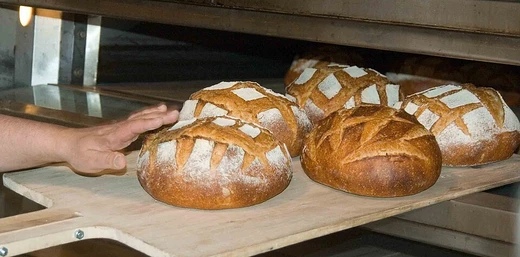
The oldest cakes were essentially breads with sweet ingredients added. The ancient Greek plakous was baked using flour mixed with eggs, milk, nuts, and honey, and the Greeks invented using beer as a leavener. In ancient Rome, basic bread dough was sometimes enriched with butter, eggs, and honey, producing a sweet and cake-like baked good called placenta. Early 14th century cakes in England were also essentially bread, distinguished by their round, flat shape and cooking method that turned them over once while cooking. Sponge cakes, leavened with beaten eggs, originated during the Renaissance, possibly in Spain. Cakes became fashionable in the United States in the 1920s as women entered the labor force, leaving little time to prepare multiple dishes for dessert.
Reader's Guide
Cake has evolved from a simple bread-like food to a diverse category of desserts, encompassing batter cakes, foam cakes, chiffon cakes, and flourless cakes. Its significance lies in its role as a celebratory dish for weddings, anniversaries, birthdays, and other ceremonial occasions. The development of cake mixes during the Great Depression, initially to use surplus molasses and provide easily made food, transformed cake into a mass-produced good. Later, in the post-war boom, companies like General Mills marketed cake mix for convenience, but when sales dropped, psychologist Ernest Dichter identified that the simplicity of making the cake left housewives without creative outlet; the solution was to focus on frosting and decorating, allowing for personal expression. This history shows how cake reflects broader social and economic changes, from ancient rituals to modern consumer culture.
Did You Know?
- The word 'cake' is of Viking origin, from the Old Norse word kaka.
- The ancient Greeks invented using beer as a leavener for cakes.
- During the Great Depression, a company patented a cake-bread mix to deal with a surplus of molasses.
- Sponge cakes, leavened with beaten eggs, originated during the Renaissance, possibly in Spain.
More in Baking 1-24
Elsewhere in the Baking universe
Spotted an error? Know more?
This is a living reference — every entry is fact-audited, and reader corrections feed straight into our audit queue. Suggest an edit · See this site's audit record